




What to Check Before Buying a Skeleton Trailer for Sale
What to Check Before Buying a Skeleton Trailer for Sale
Before choosing a skeleton trailer for sale, technical evaluation now requires more than comparing quotations.
Fleet reliability, container efficiency, and lifecycle cost have become stronger buying signals across the heavy truck sector.
A better trailer structure can reduce downtime, protect cargo, and support safer transport on mixed road conditions.
Why demand is shifting toward stronger trailer assessment
The market for a skeleton trailer for sale is changing with stricter uptime expectations and higher freight pressure.
Operators increasingly compare frame strength, axle performance, and maintenance intervals before they compare final price.
This shift is visible in regions served by Shandong Jiyake Automobile Sales Co., Ltd., across Asia and Africa.
In these markets, rough roads, overloaded cycles, and climate exposure quickly reveal weak trailer construction.
Key drivers behind this buying trend
The checkpoints that now matter most
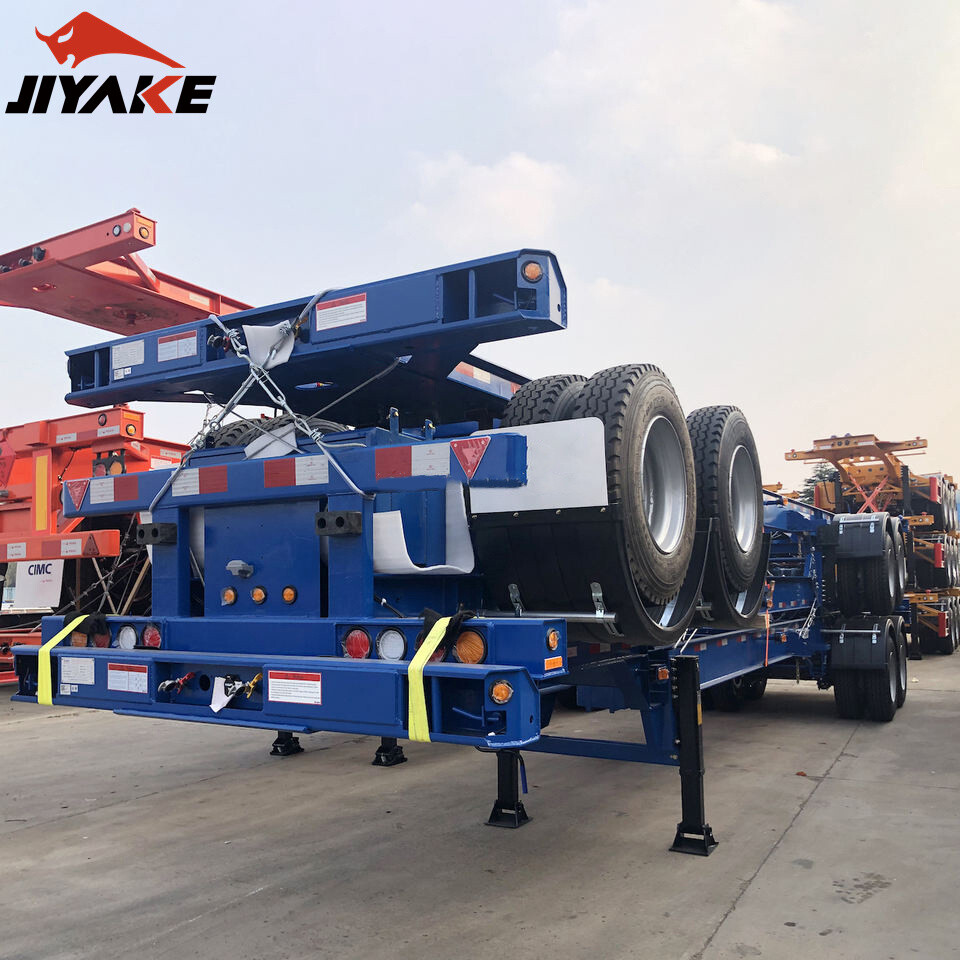
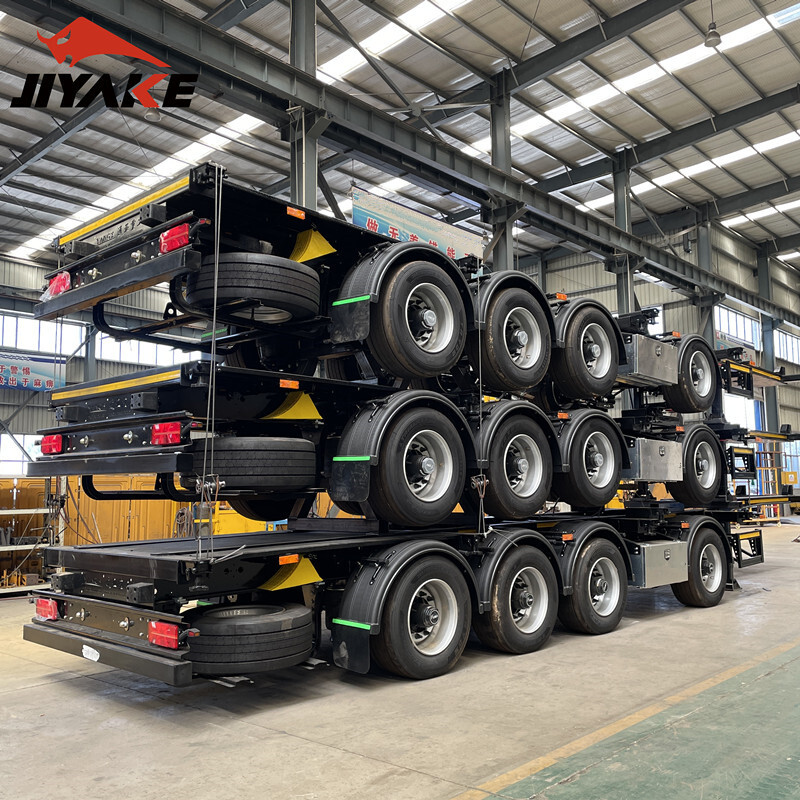
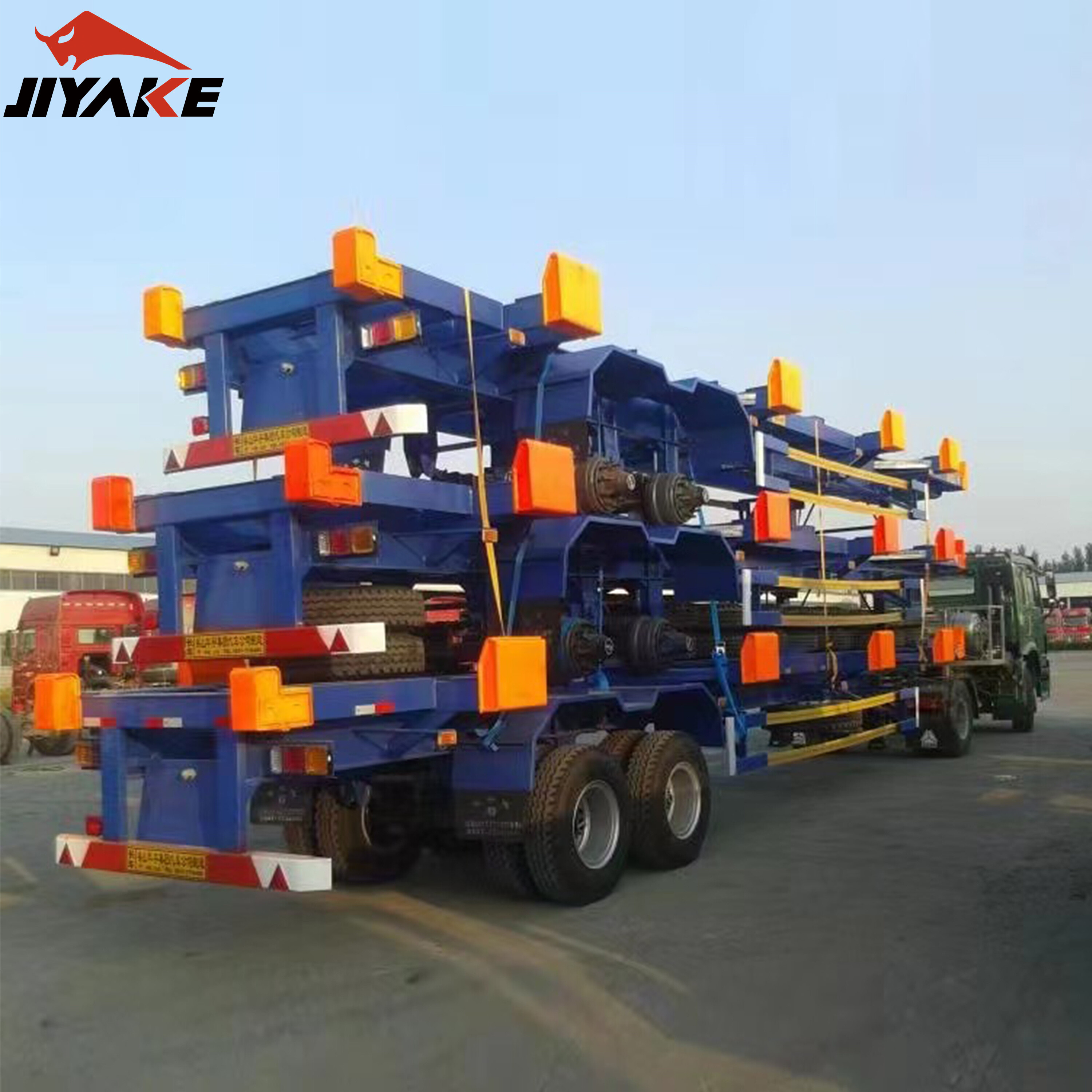
When reviewing a skeleton trailer for sale, structure should be the first focus.
Check whether high-strength steel is used in key load-bearing sections.
Then inspect beam thickness, cross-member spacing, and anti-twist reinforcement.
- Load capacity must match actual container weight, not only rated paper data.
- Axle configuration should support balance, braking stability, and part replacement convenience.
- Welding lines should be uniform, deep, and free from visible porosity or cracking.
- Suspension quality affects tire wear, frame stress, and ride stability.
- Twist locks and connection points must fit container dimensions precisely.
Do not ignore operating detail
A skeleton trailer for sale may look similar across suppliers, but operating details create major cost differences.
Check landing gear strength, braking response, wiring protection, and corrosion resistance.
Ask about CNC cutting accuracy, automatic welding capability, and factory quality control steps.
How these changes affect transport decisions
Stronger evaluation standards influence daily transport performance in several ways.
A durable skeleton trailer for sale can support better tire life, fewer unplanned stops, and more predictable delivery schedules.
It also improves resale value because structural integrity remains visible after long-term use.
In some operations, fleets also compare side wall transport alternatives for mixed cargo demand.
For example, Side Wall Semi Trailer suits bulky but lightweight goods and bulk cargo.
Its 12500x2500x2700mm body, 40000kg loading weight, and 3 axle 13ton FUWA setup show how specification matching affects profitability.
What should be reviewed before signing
- Confirm real payload needs, route conditions, and container sizes.
- Review steel grade, main beam design, and welding inspection records.
- Verify axle brand, suspension type, tire specification, and brake component supply.
- Check paint process and rust protection for humid or coastal environments.
- Ask about spare parts access and after-sales response in your region.
A practical judgment method
Choosing a skeleton trailer for sale is now a technical decision shaped by reliability trends, not a simple price comparison.
Compare build quality, operating durability, and long-term service support before making the final move.
The next practical step is to request detailed specifications, factory process information, and load-case matching for your routes.
Leave A Reply

First class quality service and professional after-sales team.
Get in Touch
*We respect your confidentiality and all information are protected.