




Spare Parts and Service Tips for a Skeleton Trailer for Sale
Keeping a skeleton trailer for sale in peak working condition requires more than routine checks—it demands the right spare parts, fast diagnostics, and practical service know-how. For after-sales maintenance teams, understanding common wear components, inspection priorities, and replacement strategies can reduce downtime, improve transport safety, and extend trailer life across demanding heavy-duty operations.
What After-Sales Teams Should Check First on a Skeleton Trailer for Sale
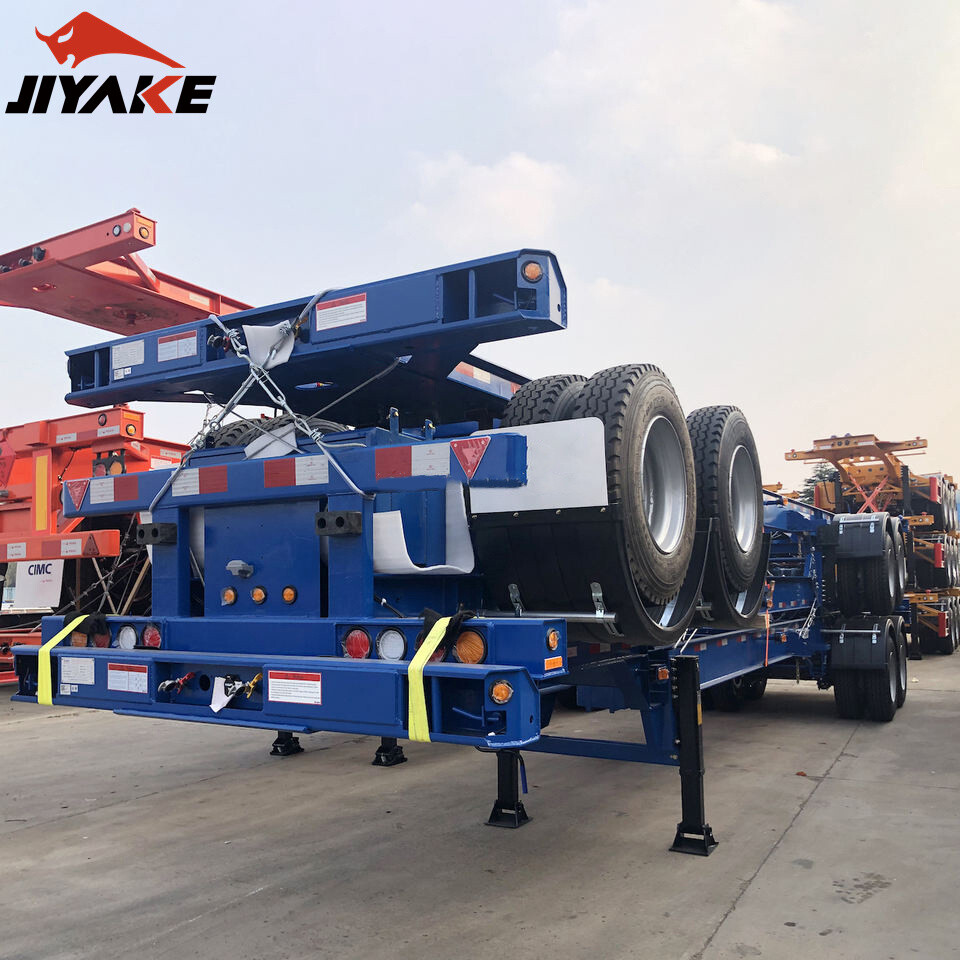
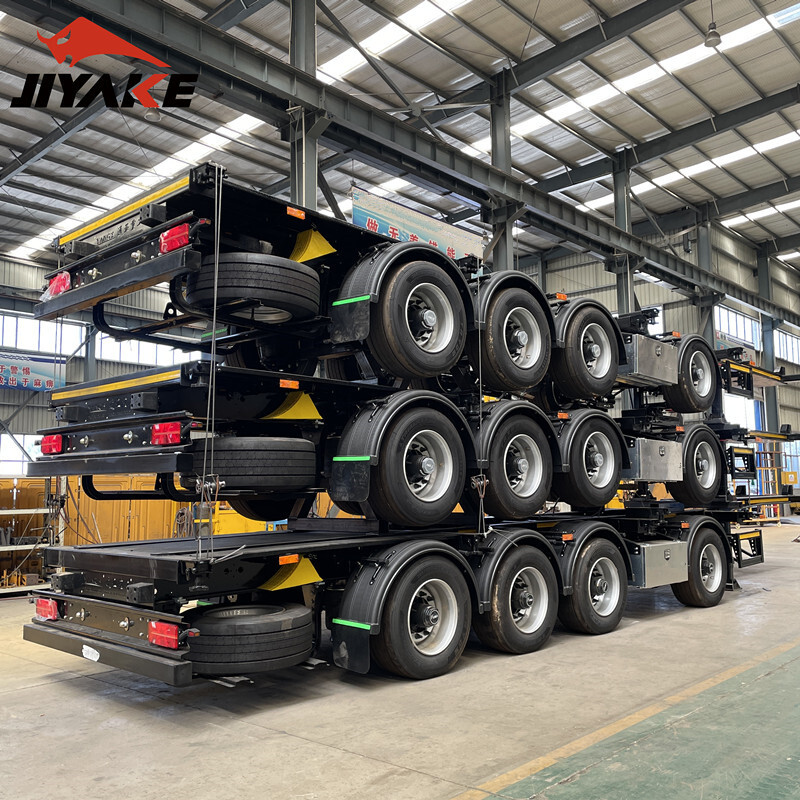
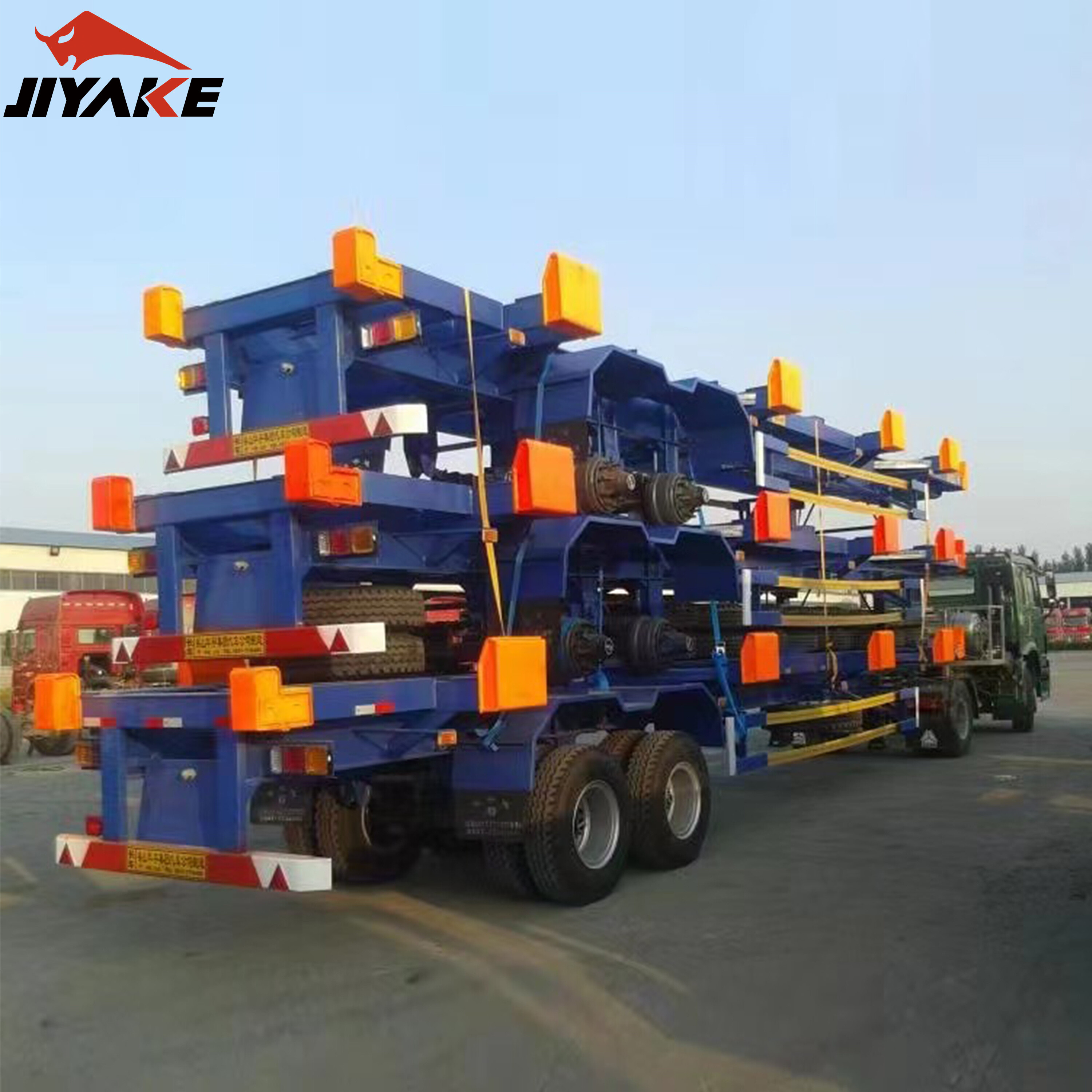
In heavy truck transport, a skeleton trailer for sale usually works under high frequency loading, long-distance road vibration, and changing cargo weight distribution. For maintenance personnel, the biggest risk is not a visible failure, but a small neglected wear point that leads to axle damage, braking instability, or chassis cracking.
A practical service approach starts with component classification. Instead of checking the whole trailer in one general round, divide inspections into structural, running gear, braking, electrical, and coupling systems. This improves troubleshooting speed and helps spare parts planning.
- Structural zone: main beam, cross members, twist lock area, weld seams, landing gear brackets, and rear overhang.
- Running gear: axle seat, hub, bearings, suspension, leaf springs, equalizer, U-bolts, and tires.
- Brake system: brake chamber, slack adjuster, air lines, valves, drums or discs, and linings.
- Coupling and support: kingpin, fifth wheel contact surface, landing gear gearbox, and support legs.
- Electrical items: lamps, connectors, wiring harness, reflective markings, and grounding points.
When evaluating a skeleton trailer for sale for ongoing service support, maintenance teams should also confirm whether parts specifications are standardized. Standardized axles, suspension parts, valves, and consumables reduce downtime because local replacement sourcing becomes easier.
High-failure spare parts that deserve stock priority
Not every spare part needs the same inventory level. Fast-moving and high-impact items should be stocked first. This is especially important for fleets operating in Africa, Southeast Asia, and other regions where lead time can affect delivery commitments.
- Brake linings, brake chambers, air hoses, and sealing fittings for fast brake restoration.
- Wheel bearings, hub seals, wheel studs, and nuts for axle-end service.
- Leaf spring packs, center bolts, shackles, and U-bolts for suspension repair.
- Lighting assemblies, sockets, cables, and connectors for road compliance.
- Landing gear gearbox parts, support pads, and crank handles for yard operations.
Common Faults, Root Causes, and Service Priorities
For any skeleton trailer for sale already in operation, recurring failures often come from overload, poor lubrication discipline, uneven road conditions, and delayed small-part replacement. The table below helps after-sales teams connect symptoms with likely causes and immediate service action.
This type of fault mapping is useful because it turns service from reactive repair into preventive control. It also supports spare parts forecasting, especially when fleets manage multiple trailer types under one workshop system.
Why structural inspection matters more than many teams expect
Brake and tire issues are obvious, but frame fatigue is often hidden. In container and heavy logistics work, repeated torsion on uneven yards can damage cross members and weld seams before visible distortion appears. A scheduled dye penetrant check or close visual weld inspection can prevent larger repair costs.
How to Build a Spare Parts Plan for Fast Turnaround
A service team maintaining a skeleton trailer for sale should separate spare parts into emergency parts, scheduled replacement parts, and long-cycle structural parts. This keeps inventory budget under control while protecting uptime.
The following table can help workshops define stocking logic based on failure frequency and transport impact.
For fleets with mixed equipment, parts commonality is a major cost lever. Companies with integrated production and fittings capability can support better parts matching. Shandong Jiyake Automobile Sales Co., Ltd., with vehicle production, trade, and fittings support under one business system, is well positioned to help maintenance teams verify compatibility and reduce repeated sourcing errors.
Service process that reduces repeat failures
- Confirm the complaint with driver feedback, route condition, cargo type, and overload history.
- Inspect related systems, not just the failed part. A damaged hub seal may also mean bearing heat and brake contamination.
- Record exact part dimensions, axle type, chamber size, and connection standard before replacement.
- Test after repair under loaded or simulated operating condition whenever possible.
- Update failure records so the next service cycle becomes more predictive.
What to Ask Before Buying Parts for a Skeleton Trailer for Sale
Many after-sales teams lose time because they order by appearance instead of confirmed specification. On a skeleton trailer for sale, similar-looking parts may differ in axle load rating, mounting dimensions, chamber stroke, or kingpin size. Wrong sourcing creates delays and secondary failures.
- Is the axle brand and tonnage clearly identified, and are seals and bearings matched to that exact axle set?
- Does the brake chamber stroke and mounting pattern match the existing system?
- Are leaf spring dimensions, center distance, and thickness confirmed before shipment?
- Is the kingpin 2 inches or 3.5 inches, and is the fifth-wheel interface compatible?
- Can the supplier support drawings, photos, or factory confirmation for unusual parts?
This is where a manufacturer with in-house fabrication capacity becomes valuable. A factory covering 300000m2 with CNC cutting, automatic welding, large bending, canning, and tank automatic welding equipment can support not only standard heavy truck products, but also more reliable dimensional control and replacement part traceability.
Related Trailer Knowledge That Helps Maintenance Teams Compare Designs
Even if your main task is servicing a skeleton trailer for sale, understanding other semi-trailer structures can improve maintenance judgment. For example, tank and bulk powder trailers highlight how material thickness, discharge design, axle configuration, and sealing details affect lifecycle cost.
A useful reference is the Cement Bulker Trailer, which is designed for modern batching plants and large-scale construction projects. Its 40 m3 effective volume, single compartment layout, Q235A/4mm steel tank body, Q235A/6mm end plate, 4 inches disc valve, 4 inches seamless steel tube, Fuwa 13-ton axles, common leaf spring suspension, and 6 big chamber braking system show how matching structure to operating duty can improve maintainability.
For after-sales staff, the lesson is clear: service outcomes depend heavily on whether the original design used appropriate material grade, wall thickness, axle selection, and standard interfaces. That same logic applies when screening any skeleton trailer for sale for spare parts support and long-term repair economics.
Comparison mindset for maintenance decisions
A cheaper part is not always a lower-cost part. If a low-grade chamber, seal, or spring fails early, the real cost includes labor, transport delay, roadside service, and possible cargo loss. Maintenance teams should compare total service life, not just purchase price.
FAQ for After-Sales Teams Working with a Skeleton Trailer for Sale
How often should a skeleton trailer be inspected?
Daily walk-around checks should cover tires, lights, air leakage, locking points, and visible cracks. A deeper workshop inspection is commonly arranged by mileage, operating days, or route severity. Fleets on rough mining or port roads usually need shorter intervals than highway-only operations.
Which spare parts should be localized in stock first?
Start with brake consumables, hub seals, bearings, air hoses, lighting parts, and suspension fasteners. These parts fail often enough to affect dispatch, and they are relatively low-cost compared with the downtime they prevent.
What is the most common sourcing mistake?
Ordering without confirming dimensions and load rating is the most common error. Photos alone are not enough. Always confirm axle type, chamber specification, kingpin size, suspension dimensions, and mounting points before finalizing parts orders.
When should a crack be repaired instead of monitored?
Any crack near the main beam, kingpin area, suspension bracket, or lock structure should be treated as urgent. These locations carry high stress. Continued operation can enlarge the crack and increase the risk of structural failure under load.
Why Choose Us for Parts Support and Maintenance Coordination
For after-sales teams, good support means more than selling a trailer. It means clear specification confirmation, practical spare parts advice, and coordination across production and fittings. Shandong Jiyake Automobile Sales Co., Ltd. serves more than 60 countries and focuses on semi-trailers, tankers, tractor trucks, dump trucks, mixers, wreckers, timber trailers, and other special vehicles, which gives maintenance buyers a broader heavy truck reference base.
If you are evaluating a skeleton trailer for sale, you can consult us on specific matters such as axle and suspension matching, brake chamber and air line configuration, kingpin options, replacement part compatibility, delivery cycle, custom reinforcement needs, and bulk spare parts planning for regional workshops.
Contact us to discuss technical parameters, service parts lists, trailer selection, operating scenario adaptation, quotation details, and factory-based customization support. A precise maintenance plan starts with accurate component data and a supplier that understands real heavy truck service conditions.
Leave A Reply

First class quality service and professional after-sales team.
Get in Touch
*We respect your confidentiality and all information are protected.