




How to Find a Reliable Flatbed Trailer Manufacturer in China
Finding a reliable flatbed trailer manufacturer in China is essential for buyers who need durable equipment, stable supply, and long-term service support. In the heavy truck industry, choosing an experienced producer with strong manufacturing capacity, quality control, and global export experience can reduce risks and improve fleet efficiency. This guide will help you identify the key factors when selecting the right partner for your transport business.
For fleet owners, dealers, project contractors, and logistics companies, the supplier decision is rarely only about price. A flatbed trailer must perform under high load, long-distance transport, rough road conditions, and strict delivery schedules. A weak manufacturer may cause delays of 2–6 weeks, unstable welding quality, missing spare parts, or poor after-sales response.
China remains one of the most important sourcing markets for semi-trailers and heavy truck transport equipment because it combines large-scale production, flexible customization, and mature export logistics. However, buyers still need a practical evaluation method to separate real manufacturers from traders with limited factory control.
Why Manufacturer Selection Matters in the Heavy Truck Industry
In heavy-duty transport, a flatbed trailer is a working asset, not a simple commodity. Its frame strength, axle layout, suspension type, deck structure, and braking response directly affect uptime, safety, and total operating cost over 3–5 years.
When sourcing from China, the gap between suppliers can be significant. Two trailers may look similar in photos, but the difference in steel grade, beam thickness, paint process, and brake system configuration can lead to very different service life and maintenance frequency.
Common Buyer Risks
- Using lower-grade steel instead of the quoted Q345B or equivalent material
- Inconsistent welding quality across batch orders of 5, 10, or 20 units
- Weak export packing, causing damage during 20–40 day sea transport
- Insufficient documentation for customs clearance and registration
- Slow spare parts support after delivery
What Reliable Suppliers Usually Offer
A dependable flatbed trailer manufacturer in China typically provides in-house production, engineering support, clear technical drawings, pre-shipment inspection, and export experience to multiple regions. Buyers should expect structured communication within 24–72 hours, not vague answers or recycled catalog sheets.
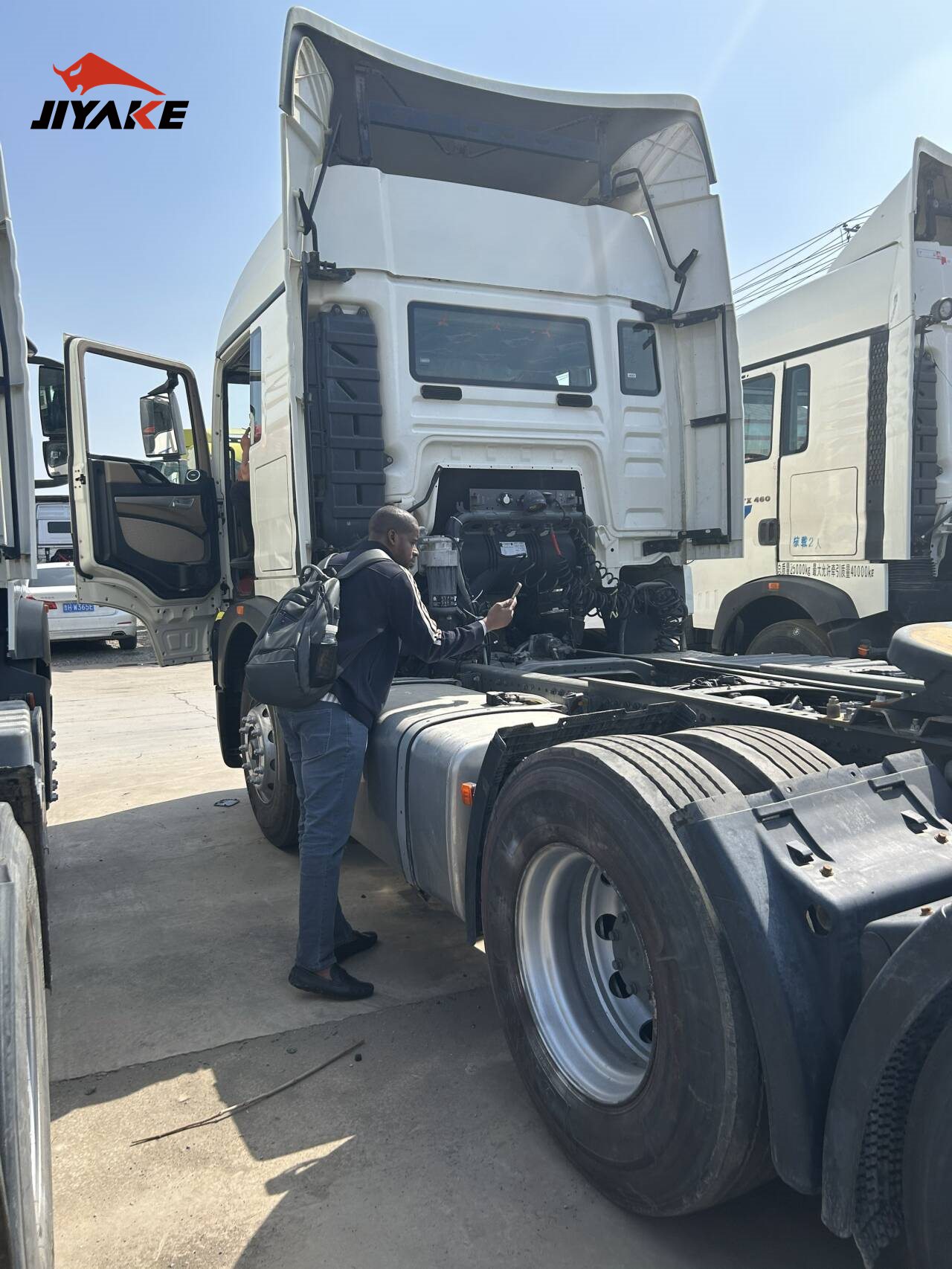
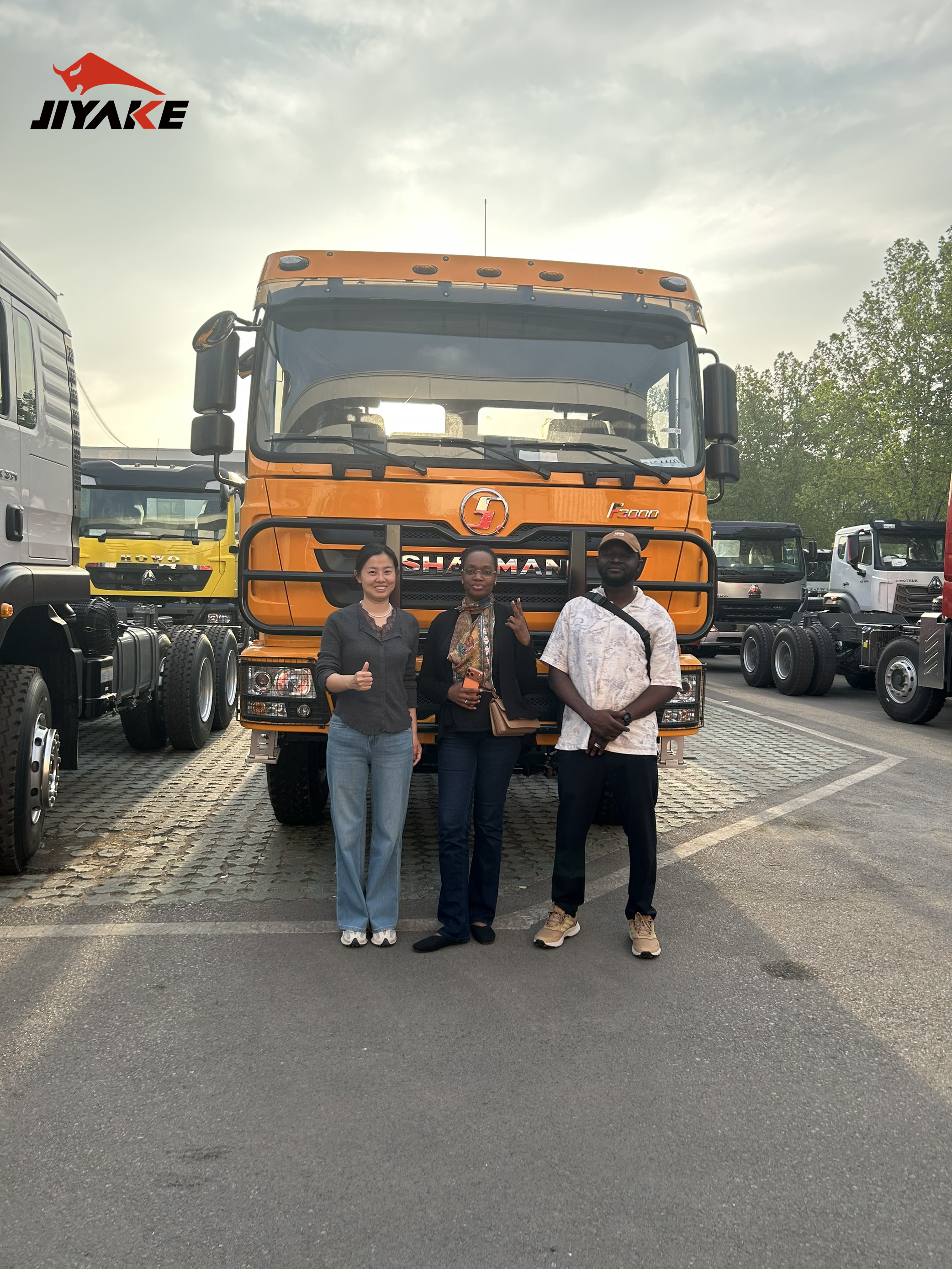
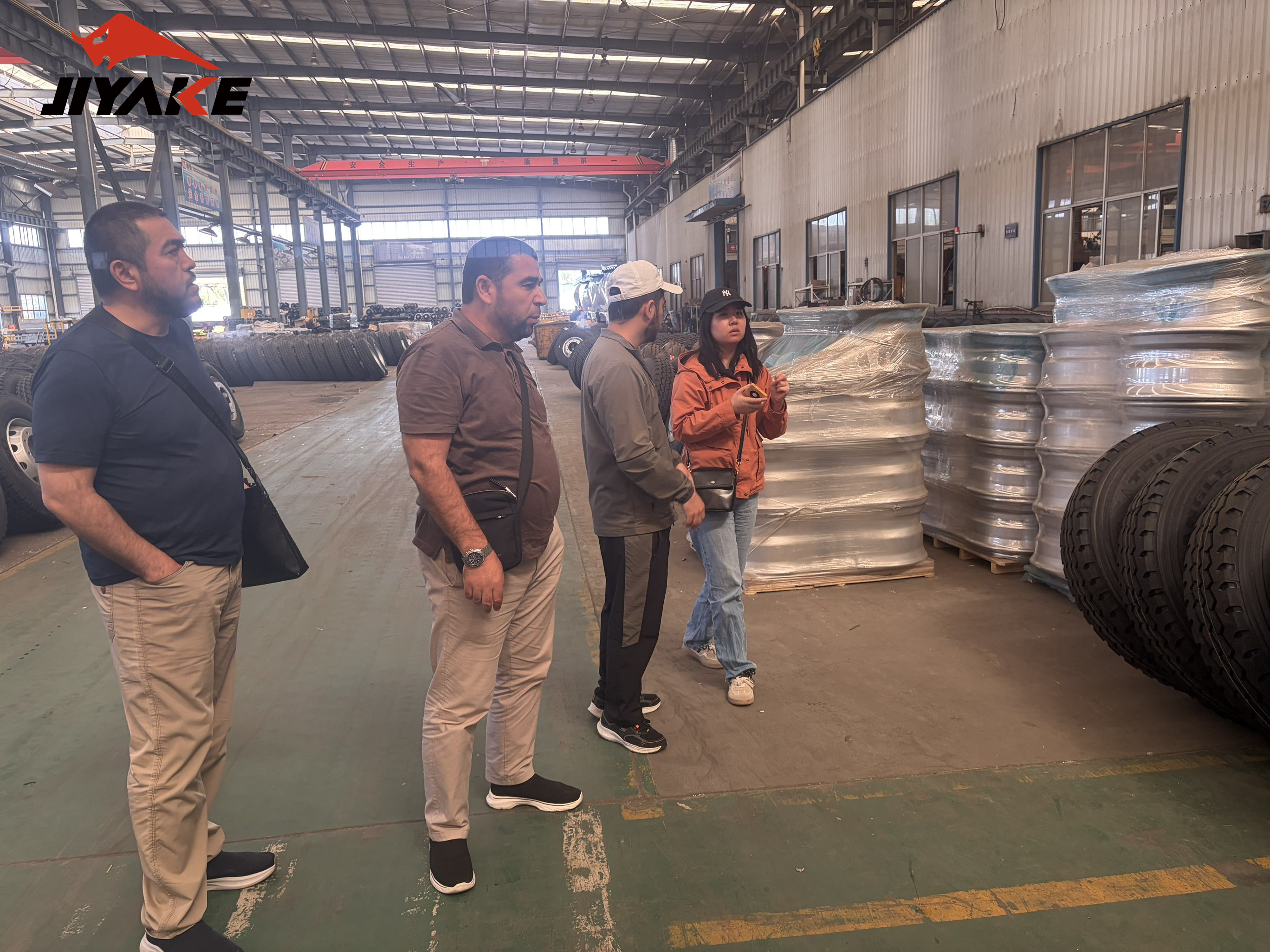
For example, Shandong Jiyake Automobile Sales Co., Ltd. operates in the modified truck and semi-trailer field with integrated design, production, trade, and fittings support. Its factory covers 300000 square meters, employs around 500 staff, and serves customers in more than 60 countries across Southeast Asia, Central Asia, and Africa. These details matter because production scale and export exposure often indicate stronger process control and better adaptation to different road and project conditions.
How to Evaluate a Flatbed Trailer Manufacturer Step by Step
A good sourcing process should follow 4 practical stages: supplier screening, technical verification, factory assessment, and order risk control. This method reduces surprises and helps procurement teams compare offers on more than unit price.
1. Confirm Manufacturing Capability
Start with the factory itself. Ask whether the company owns production lines for cutting, welding, bending, blasting, painting, and final assembly. Manufacturers with CNC cutting machines, automatic welding equipment, and large forming machines are usually better positioned to keep dimensional consistency within normal tolerance ranges.
A real producer should also explain monthly output range, production lead time, and customization limits. For heavy truck trailer orders, standard delivery often falls within 20–45 days depending on quantity, axle configuration, and paint requirements.
Key Questions to Ask
- Do you produce the chassis and main beam in-house?
- What steel material is used for the beam, deck, and reinforcement sections?
- How many axles and suspension options are available?
- What is the average lead time for 1 unit, 5 units, and 10 units?
- Can you provide production photos or inspection videos before shipment?
2. Review Technical Specifications Carefully
Never evaluate a trailer from appearance alone. Buyers should request a full technical sheet that covers beam dimensions, axle brand, brake chambers, suspension type, deck thickness, ground clearance, ladder design, electrical system, and paint process.
This is especially important for infrastructure logistics, machinery transport, and energy projects, where deck height, ramp angle, and load distribution affect loading safety and route flexibility.
The table below shows what technical checkpoints should be reviewed before confirming a supplier.
The best suppliers can explain each parameter clearly and adjust configuration based on road class, cargo type, and local compliance needs. If a supplier cannot explain why a beam is 500 mm high or why a 40 L air tank is selected, technical support may be weak.
3. Check Export Experience and Service Response
Export experience is not only about shipping documents. It includes understanding customer markets, packaging methods, spare parts supply, and communication efficiency after delivery. Heavy truck buyers in Africa, Southeast Asia, and Central Asia often need durable configurations for mixed road conditions, easier parts replacement, and fast remote support.
Ask how the supplier handles technical claims, missing parts, and warranty discussions. A practical after-sales reply window is usually within 24–48 hours for urgent issues, supported by photos, videos, or component lists.
What Product Details Reveal About Manufacturing Reliability
One of the most useful ways to judge a manufacturer is to examine how it configures specialized heavy transport equipment. A supplier that understands real project use will describe not only payload but also structure, ground clearance, braking, and surface treatment.
For buyers handling heavy equipment, oversized machinery, or indivisible cargo, a low-deck solution can be a practical benchmark. A product such as the Lowbed Semi Trailer is often used in energy projects, infrastructure logistics, and equipment relocation where deck height and stability matter more than simple body length.
Configuration Signals to Look For
A serious manufacturer will provide detailed specifications such as Q345B carbon steel construction, FUWA 3 axles, mechanical or air suspension, 1000–1300 mm ground clearance, and a beam design with 16 mm upper plate, 18 mm lower plate, and 10 mm middle plate. These numbers help buyers estimate durability under actual load conditions.
Other useful indicators include a 3 mm diamond platform plate, mechanical or hydraulic ladder options, 2 inch or 3.5 inch Jost traction pin, WABCO RE6 relay valve, T30/30 spring brake chamber, 40 L air tanks, six double brake chambers, and a 24 V electrical system with 7-way harness. The more complete the configuration sheet, the more transparent the supplier usually is.
The following table shows how buyers can interpret trailer configuration details during supplier evaluation.
These details do not automatically prove one supplier is perfect, but they do show whether the manufacturer thinks in engineering terms. In heavy truck equipment procurement, clear structure and measurable configuration are better than broad claims.
Factory Audit, Order Control, and Long-Term Cooperation
After technical review, the next step is order control. Even a good trailer design can fail at the execution stage if welding sequence, blasting quality, or component sourcing changes without notice. Buyers should use a 3-part control method: pre-order confirmation, in-production inspection, and pre-shipment verification.
Factory Audit Checklist
- Check raw material storage and identification labels
- Inspect beam welding lines and reinforcement areas
- Review axle, brake, and suspension installation process
- Confirm blasting and painting stages before final assembly
- Verify spare parts packing, tools, and export loading method
Commercial Terms That Should Be Clear
Reliable cooperation is built on clear documentation. Your quotation should define unit configuration, production time, payment milestones, packaging method, warranty scope, and spare parts list. For project cargo fleets, even small omissions can create 7–15 days of operational delay after arrival.
It is also wise to request photos, dimension confirmation, VIN or chassis identification records where applicable, and loading images before dispatch. These steps are simple but highly effective for reducing disputes.
Signs of a Long-Term Supplier
- Offers configuration adjustments based on route and cargo type
- Provides consistent communication before and after deposit
- Understands regional parts replacement needs
- Can support repeat orders with similar technical standards
Practical Buying Advice for Importers and Fleet Operators
If you are comparing 3–5 suppliers, build your decision around technical transparency, production capability, export readiness, and support response. Price should be one factor, not the only factor. A trailer that costs slightly more but lasts longer and arrives correctly configured often lowers operating cost over the next 24–36 months.
Buyers in mining, construction, road building, and machinery transport should also match the trailer to actual use conditions. For example, ramp type, suspension selection, axle quantity, and beam reinforcement should reflect cargo weight, loading method, and road surface rather than only catalog preference.
A manufacturer with integrated production resources, broad vehicle categories, and international shipment experience can usually support more than one purchase cycle. This is valuable when your business grows from a single trailer order to a broader heavy truck fleet plan involving semi-trailers, dump trucks, tankers, or special transport vehicles.
Choosing a reliable flatbed trailer manufacturer in China requires careful review of factory capability, technical detail, process control, and export service. The strongest partners are the ones that can explain materials, production methods, lead times, and after-sales support with specific numbers and realistic answers.
If you are sourcing heavy-duty transport equipment for infrastructure logistics, machinery hauling, or regional fleet expansion, working with an experienced manufacturer can reduce procurement risk and improve long-term operating efficiency. Contact us now to discuss your application, get a customized trailer solution, or learn more about suitable heavy truck transport options for your market.
Leave A Reply

First class quality service and professional after-sales team.
Get in Touch
*We respect your confidentiality and all information are protected.