




How Water Tanker Truck Design Impacts Firefighting Operations
Critical Design Factors for Firefighting Water Tanker Trucks
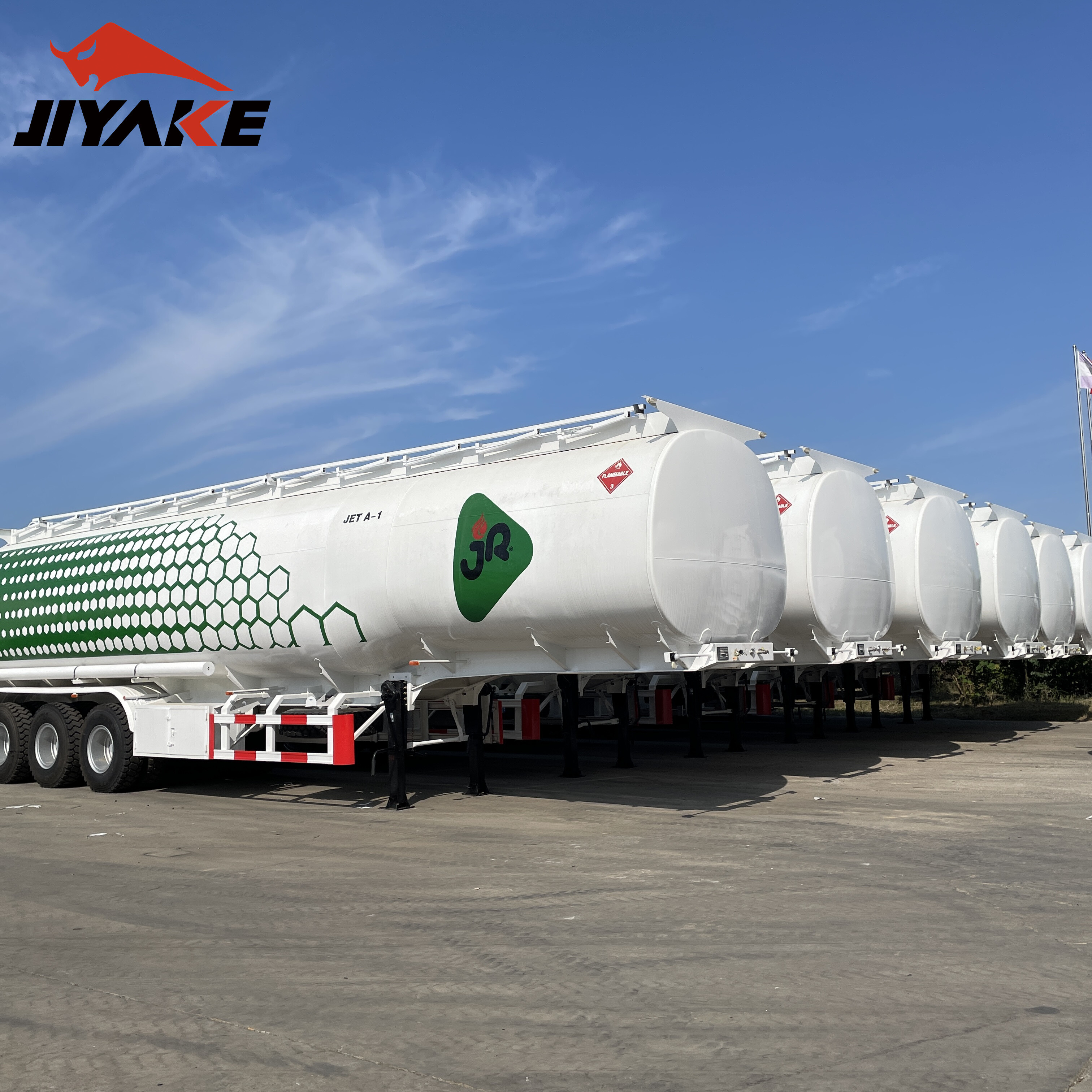
The design of water tanker trucks plays a critical role in firefighting operations, where every second counts. With proper water tanker capacity and optimized structural engineering, these specialized vehicles can significantly enhance emergency response efficiency. As quality control and safety professionals, understanding how tanker design impacts water delivery speed, stability, and operational safety is essential for selecting equipment that meets rigorous firefighting demands while ensuring crew safety.
Water Capacity vs. Maneuverability
Firefighting tankers require careful balance between water storage volume and vehicle agility. While larger tanks (5,000-10,000 gallons) provide extended operation time, they impact:
- Turning radius (typically 35-45 feet for standard models)
- Grade climbing ability (15-25% slopes for fully loaded units)
- Braking distance (increases by 30-40% when fully loaded)
Our Skeleton Semi Trailer technology allows for optimized weight distribution, achieving 10-15% better payload-to-weight ratios than conventional designs. This becomes critical when transporting containers filled with emergency equipment to disaster zones.
Structural Integrity Under Extreme Conditions
Firefighting operations subject tankers to unique stresses that standard commercial vehicles never encounter:
Our manufacturing process utilizes automated welding machines that achieve 20% stronger seam integrity compared to manual welding, critical for maintaining structural stability during emergency maneuvers.
Operational Safety Considerations
Center of Gravity Calculations
A properly designed firefighting tanker maintains a center of gravity below 60 inches when fully loaded. Key design elements affecting stability include:
- Tank placement (low-mounted vs. chassis-mounted)
- Water baffle configuration (typically 3-5 compartments)
- Suspension type (air ride reduces sloshing by 15-20%)
Pump Integration and Accessibility
Modern firefighting tankers require pump systems capable of delivering 750-1,500 GPM at 150-300 PSI. The pump placement affects:
Maintenance and Inspection Protocols
Fire departments should implement quarterly inspection routines focusing on:
- Tank interior corrosion (check 4-6 access points)
- Structural welds (ultrasonic testing every 2 years)
- Valve operation (full cycle test monthly)
- Pump performance (flow rate verification quarterly)
Our container chassis designs incorporate 6mm-14mm thick flange plates in critical stress areas, extending service intervals by 30% compared to industry averages.
FAQs for Firefighting Tanker Selection
What's the optimal tank material for chemical resistance?
Stainless steel (316L grade) offers the best balance between corrosion resistance and structural integrity, with 2-3 times longer service life than aluminum in harsh chemical environments.
How often should baffle systems be inspected?
Baffle integrity checks should occur every 500 operational hours or annually, whichever comes first. Compromised baffles can increase sloshing forces by 40-60%.
What certification standards apply to firefighting tankers?
NFPA 1901 remains the primary standard, with additional requirements from:
- DOT for roadworthiness
- ASME for pressure vessels
- FM Global for insurance compliance
Why Partner With Our Specialized Manufacturing Team
With 300,000m² production facilities and 500 skilled technicians, we deliver firefighting vehicles that meet the most demanding operational requirements. Our capabilities include:
- Custom tanker configurations for specific firefighting scenarios
- Automated welding processes ensuring consistent quality
- Rapid prototyping for specialized applications
- Global certification support for international deployments
Contact our engineering team to discuss your specific water tanker requirements, from pump specifications to chassis customization for challenging terrain operations.
Leave A Reply

First class quality service and professional after-sales team.
Get in Touch
*We respect your confidentiality and all information are protected.