




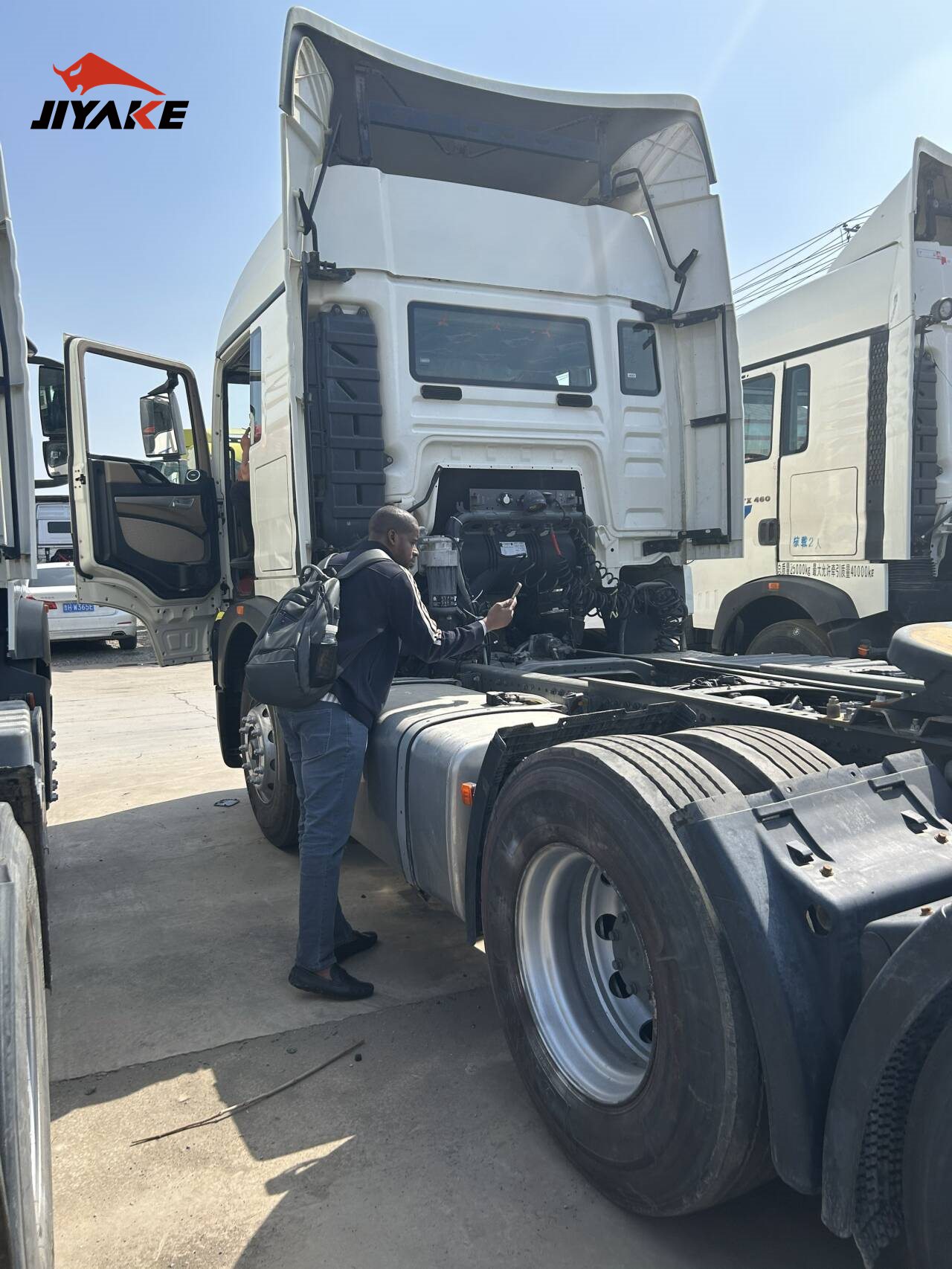
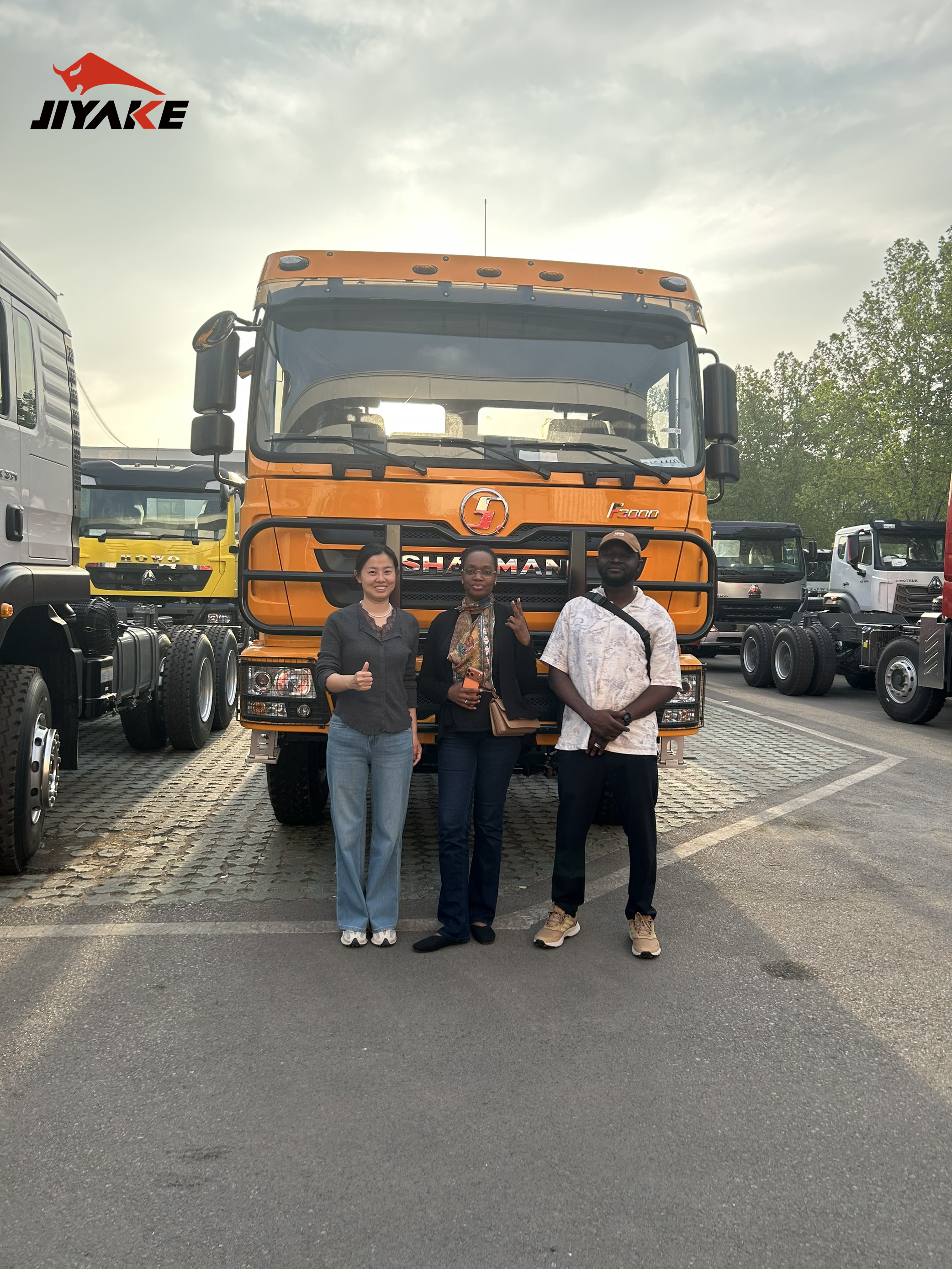
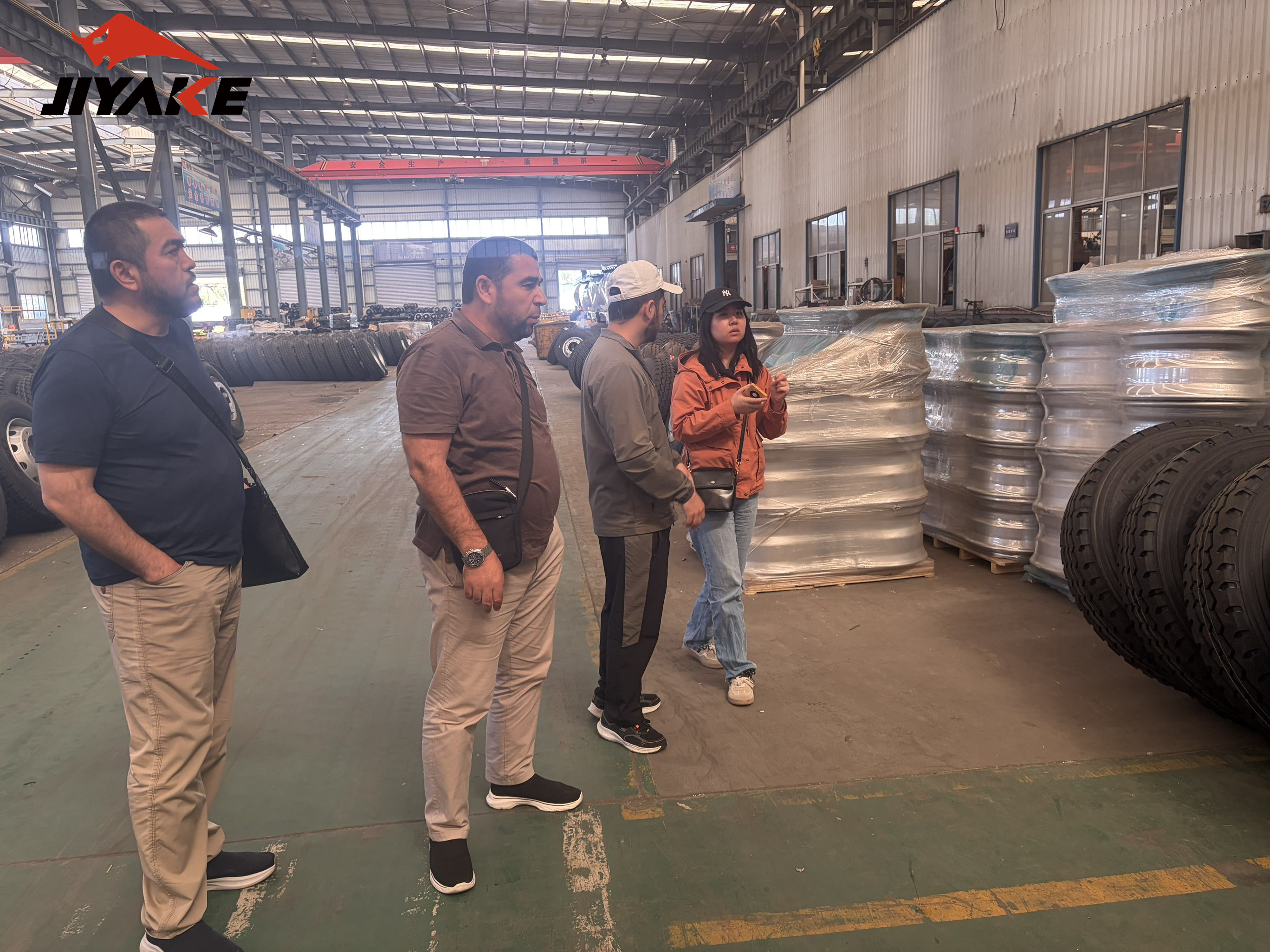
Flatbed Trailer Quality Inspection Standards Before Export
Before any flatbed trailer enters international markets, rigorous Flatbed Trailer Quality Inspection Standards Before Export are essential to ensure safety, compliance, and long-term performance. For the heavy truck industry, these checks reduce cargo risk, prevent disputes, and support stable fleet operation across different road conditions.
What do Flatbed Trailer Quality Inspection Standards Before Export actually cover?
Flatbed Trailer Quality Inspection Standards Before Export cover structure, braking, dimensions, welding, coating, lighting, and documentation. They confirm whether the trailer is ready for shipping, registration, and real transport work.
In heavy truck applications, export inspection is not a simple factory routine. It is a risk-control process that verifies durability, safe loading, and compatibility with destination requirements.
A complete inspection often includes material checks, axle system review, suspension testing, electrical verification, paint thickness measurement, and final roadworthiness confirmation.
- Frame and main beam integrity
- Welding consistency and crack prevention
- Brake response and air system sealing
- Lighting, reflectors, and wiring reliability
- Surface treatment and anti-corrosion protection
- Marking, packing, and export documents
Why is structural inspection the first priority before export?
The frame carries the full working stress of the trailer. If structural quality fails, paint, accessories, and appearance become meaningless.
Inspectors usually focus on the main beam, cross members, gooseneck area, landing gear mounting points, and platform flatness. These parts directly affect load stability and road safety.
Material certificates should match actual production. Q345B carbon steel is widely used because it offers strength and practical fabrication performance for demanding transport environments.
For example, a low deck export model may use a 500 mm beam height, 16 mm upper plate, 18 mm lower plate, and 10 mm middle plate. These details matter during verification.
When checking a Lowbed Semi Trailer, inspectors also review ground clearance, platform plate thickness, and ladder performance because oversized cargo demands strong support and controlled loading angles.
How should welding, braking, and suspension be evaluated?
Flatbed Trailer Quality Inspection Standards Before Export give special attention to welding quality. Uneven welds, undercut, porosity, or incomplete penetration can shorten service life.
Visual inspection is the first step. Critical joints may also require dimensional review and, when necessary, additional non-destructive testing.
The braking system must respond quickly and remain airtight. Air leakage reduces safety, especially on downhill routes and overloaded logistics corridors.
A typical export configuration may include WABCO RE6 relay valve, T30/30 spring brake chamber, 40L air tanks, and six double chambers. Dual-line steel tube braking is important in low-temperature regions.
Suspension inspection should confirm proper installation, axle alignment, bushing condition, and load distribution. Mechanical suspension and air suspension each need matching checks based on transport demand.
- Check axle brand and capacity consistency
- Confirm wheelbase and alignment accuracy
- Test brake chamber installation security
- Verify suspension bolts and torque condition
Which appearance and anti-corrosion standards matter most for export trailers?
Appearance inspection is not only about a clean finish. It reflects process control, rust prevention, and shipment readiness.
Flatbed Trailer Quality Inspection Standards Before Export usually require proper shot blasting before primer. Standard SA 2.5 surface preparation is commonly used for better coating adhesion.
A strong paint system often includes sand blasting, one anti-rust primer coat, and two final coats. Total dry film thickness should meet the project or market requirement.
For coastal or tropical destinations, corrosion resistance becomes even more important. Inspectors should verify hidden corners, weld seams, and edges where rust often starts first.
Lighting and electrical parts also belong to final appearance checks. Tail lamps, side lamps, reflectors, 24V systems, and 7-way harness connections must work correctly before delivery.
What documents and dimensional checks help avoid customs or usage problems?
Many export issues happen after production, not during production. Missing papers, incorrect dimensions, or unclear specifications can delay customs release or local registration.
Flatbed Trailer Quality Inspection Standards Before Export should include packing list review, VIN or identification marking, weight confirmation, spare parts list, and user manual verification.
Dimensional checks should cover deck size, overall height, ground clearance, king pin specification, ladder type, and axle count. These details affect loading efficiency and destination compliance.
For heavy equipment, energy projects, and infrastructure logistics, a trailer with low deck height and stable multi-axle design can improve safety during oversized cargo transport.
Shandong Jiyake Automobile Sales Co., Ltd. serves over 60 countries and operates with advanced CNC cutting, automatic welding, bending, and tank welding equipment. This production base supports more consistent export quality control.
How can common export inspection mistakes be avoided?
One common mistake is focusing only on visible parts. Hidden defects in beams, brake lines, and electrical routing may create serious problems after arrival.
Another mistake is ignoring destination conditions. Road quality, climate, overload frequency, and local service support all influence the right inspection standard.
Some shipments also fail because of unclear customization records. If the trailer uses hydraulic ladders, Jost 2-inch or 3.5-inch traction pins, or special suspension, those features should be documented clearly.
A second review before loading into the container or onto the vessel can catch paint damage, loose accessories, lamp breakage, or missing toolboxes and spare wheel brackets.
What should be checked when comparing trailer options for export projects?
Comparison should go beyond price. Export suitability depends on structural strength, brake reliability, corrosion resistance, and local working conditions.
For project transport, the Lowbed Semi Trailer is often valued for its extremely low deck height, wide platform, stable hauling, and ability to transport indivisible heavy cargo.
Review whether the specification matches the job. A 10-ton loading capacity, FUWA 3 axles, 3 mm diamond plate, and mechanical or hydraulic ladder may fit some routes better than standard flatbed layouts.
The best choice is the trailer that passes strict inspection and matches actual operating conditions, not simply the lowest quotation.
Conclusion
Flatbed Trailer Quality Inspection Standards Before Export are the foundation of safe international delivery and dependable heavy transport performance. They protect structural integrity, braking safety, coating durability, and document accuracy.
Before shipment, confirm technical details, review inspection records, and match the trailer with the destination environment. A careful export inspection process reduces long-term cost and improves transport confidence from the first trip onward.
Leave A Reply

First class quality service and professional after-sales team.
Get in Touch
*We respect your confidentiality and all information are protected.